

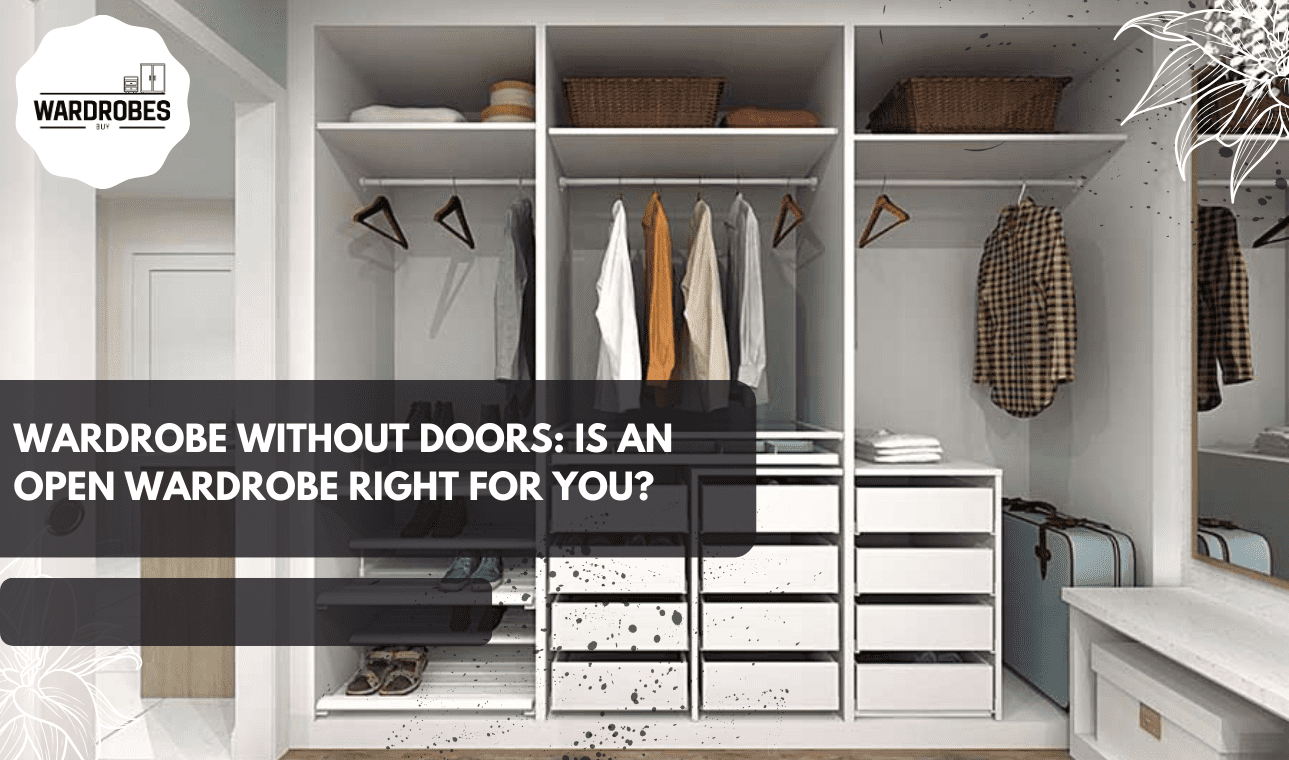
Wardrobe Without Doors: Is an Open Wardrobe Right for You?

A wardrobe without doors is becoming a popular choice in modern bedrooms. Instead of closed panels, this design keeps your clothes visible and easily accessible. As a result, it creates an open and airy feel in your space.
But is an open wardrobe the right choice for your home? Let’s explore its pros, cons, and whether it suits your lifestyle.
What Is a Wardrobe Without Doors?
A wardrobe without doors, also known as an open wardrobe, is a clothing storage system with no shutters or sliding panels. It typically includes hanging rails, shelves, drawers, and sometimes open cubbies—all visible and easily accessible. This type of wardrobe is popular in:
- Modern apartments
- Minimalist bedrooms
- Small rooms needing visual space
Why Open Wardrobes Are Trending
Open wardrobes didn’t just appear overnight. They grew alongside minimalist living, smaller homes, and the desire for clutter-free spaces.
People want:
- Faster access to clothes
- Less bulky furniture
- More breathable, open rooms
An open wardrobe delivers all of that—without trying too hard.
Wardrobe Without Doors vs Traditional Wardrobes
Traditional wardrobes are like storage vaults. Open wardrobes? More like open books.
Traditional wardrobes:
- Hide clutter
- Require doors and hardware
- Often feel heavy in small rooms
Wardrobe without doors:
- Makes rooms feel larger
- Encourages organization
- Looks modern and airy
Both have their place—but they serve very different lifestyles.
Key Features of an Open Wardrobe
A wardrobe without doors usually includes:
- Hanging rails
- Open shelves
- Drawers or baskets
- Modular layouts
Everything is designed for visibility and accessibility.
Types of Wardrobe Without Doors
Not all open wardrobes look the same. Common types include:
- Wall-mounted open wardrobes
- Freestanding open racks
- Built-in open wardrobes
- Modular open wardrobe systems
Each suits different room sizes and layouts.
Design Styles That Suit Open Wardrobes
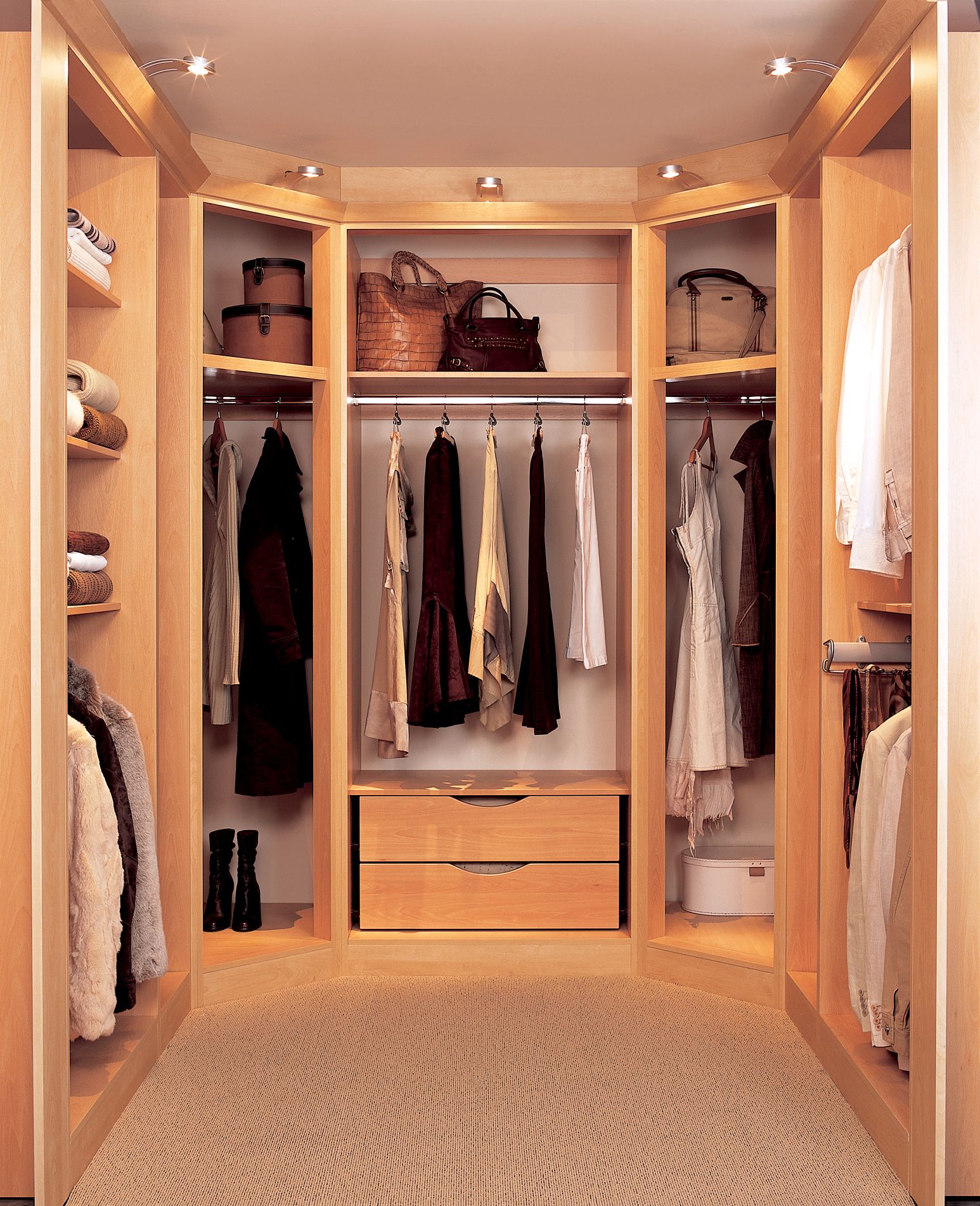
Open wardrobes shine brightest in:
- Minimalist interiors
- Modern homes
- Scandinavian designs
- Industrial-style rooms
Clean lines and neutral colors work best.
Best Rooms for Wardrobe Without Doors
Open wardrobes are ideal for:
- Small bedrooms
- Studio apartments
- Guest rooms
- Walk-in closet areas
They work especially well where space is limited.
Pros of a Wardrobe Without Doors
Let’s talk benefits.
- Makes rooms look bigger
- Saves money on doors
- Easy access to clothes
- Encourages tidy habits
- Adds a stylish, boutique feel
If aesthetics matter to you, this is a big win.
Cons of a Wardrobe Without Doors
Of course, it’s not perfect.
- Clothes collect dust faster
- Requires regular organization
- Not ideal for messy storage habits
- Less privacy
An open wardrobe rewards discipline—and exposes chaos.
Who Should Choose an Open Wardrobe
This style works best if:
- If you enjoy minimalist interiors
- For those who stay organised
- When you want quick access to clothes
- Ideal for bedrooms with limited space
- Perfect for a modern, open layout
On the other hand, if privacy, dust protection, or low maintenance is your priority, a closed wardrobe might be better.
Who Should Avoid an Open Wardrobe
This might not be for you if:
Closed wardrobes may feel safer in that case.
How to Organize a Wardrobe Without Doors
Organization is everything. Tips:
- Group clothes by type
- Arrange by color
- Fold neatly
- Leave breathing space
Think of it like styling a store display.
Storage Accessories for Open Wardrobes
Use smart accessories to stay organized:
- Matching hangers
- Fabric storage boxes
- Drawer dividers
- Shoe racks
These small tools make a big difference.
Maintenance Tips for Open Wardrobes
To keep your wardrobe without doors looking fresh:
- Dust shelves weekly
- Rotate clothes seasonally
- Wash rarely used items
- Avoid overcrowding
Maintenance becomes a habit, not a chore.
Is a Wardrobe Without Doors Right for Small Bedrooms?
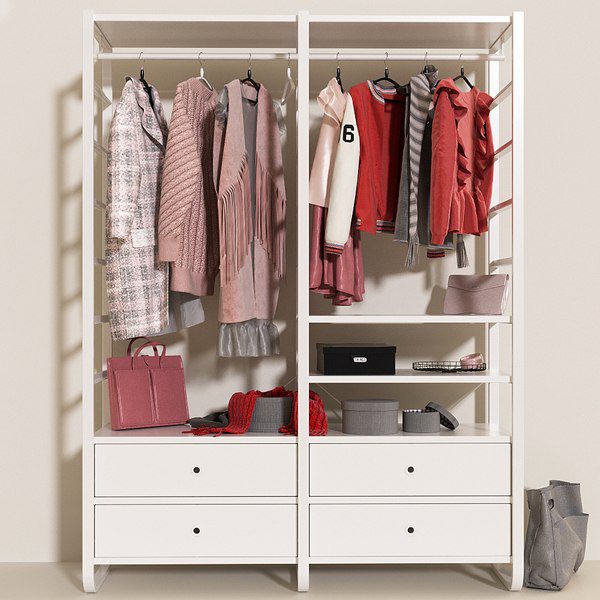
In small rooms, open wardrobes can actually create a spacious feel. Since there are no swinging doors, you save floor space.
For example, combining an open wardrobe for bedroom with smart shelving or a compact rail system can maximise vertical storage. You can also check our guide on sliding door wardrobe ideas to compare space-saving options.
Cost Comparison: Open vs Closed Wardrobes
Open wardrobes usually cost less because:
- No doors
- Less hardware
- Simpler construction
Budget-friendly and stylish—hard to beat.
Common Mistakes to Avoid
Avoid these pitfalls:
- Overloading shelves
- Mixing too many colors
- Ignoring lighting
- Skipping storage boxes
Open wardrobes need intention.
Lighting Tips for Open Wardrobes
Good lighting changes everything.
- Use LED strips
- Install warm lights
- Avoid harsh shadows
Your clothes deserve good lighting too.`
Color Coordination Ideas
Stick to:
- Neutral tones
- Limited color palettes
- Seasonal rotations
Visual calm is the goal.
Minimalist Organization Hacks
Less really is more.
- Keep only what you wear
- Donate unused items
- Rotate seasonally
A wardrobe without doors forces mindful living.
FAQs
1. Is a wardrobe without doors suitable for small bedrooms?
Yes, it actually makes small bedrooms look bigger and less crowded.
2. Do open wardrobes make rooms messy?
Only if they’re not organized properly. Good habits keep them stylish.
3. Are wardrobes without doors cheaper?
Usually, yes, because they don’t require doors or extra hardware.
4. How do I protect clothes from dust?
Regular cleaning, fabric covers, and rotating clothes help a lot.
5. Can I convert my existing wardrobe into an open one?
Yes, removing doors from an existing wardrobe is a common and easy upgrade.
Conclusion
A wardrobe without doors isn’t just a storage solution—it’s a lifestyle choice. It encourages organization, enhances room aesthetics, and brings a modern touch to your home. But it also demands consistency and care.
If you love open spaces, clean design, and visible order, an open wardrobe might be exactly what your home needs. If not, there’s nothing wrong with keeping things behind closed doors.