

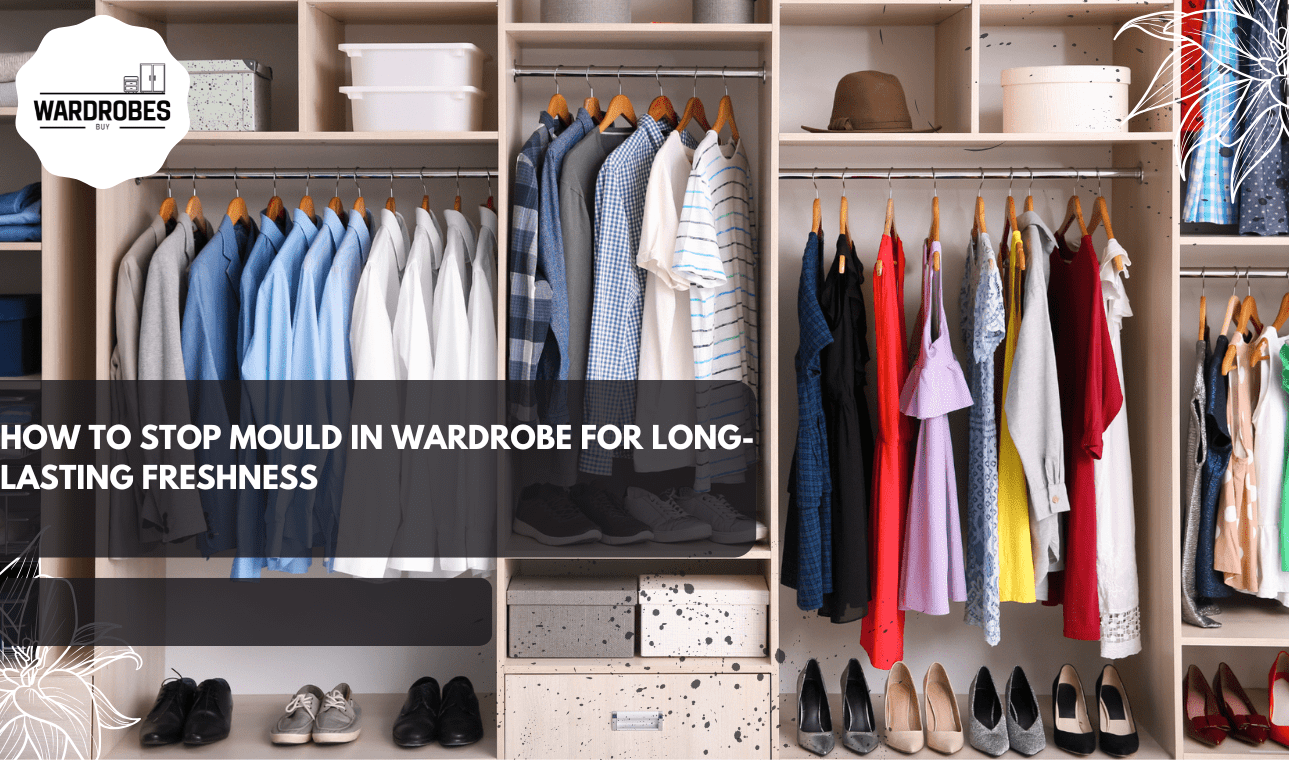
How to Stop Mould in Wardrobe for Long-Lasting Freshness

Let’s be honest—opening your wardrobe and being hit with a musty smell is one of the most frustrating experiences ever. It’s like your clothes went on a damp vacation without you! If you’re wondering how to stop mould in wardrobe, you’re in exactly the right place. This guide walks you through everything—from causes and solutions to long-term prevention—all explained in simple, human-friendly language.
Understanding Why Mould Forms in Wardrobes
Mould is a type of fungus that thrives in warm, damp, and dark environments. It spreads through airborne spores and grows quickly on fabrics, wood, and paper.
Wardrobes are usually closed, poorly ventilated, and packed with clothes, making them a perfect playground for mould. Add humidity to the mix, and you’ve got a serious problem.
Health and Fabric Risks of Wardrobe Mould
Breathing in mould spores can trigger:
- Allergies
- Asthma attacks
- Skin irritation
- Headaches
Mould eats into fabrics, causing permanent stains, fabric weakness, and unpleasant smells that refuse to go away even after washing.
Main Causes Behind Wardrobe Mould

- High Humidity Levels – Humid weather or indoor moisture quickly leads to mould growth.
- Poor Air Circulation – Closed compartments and packed wardrobes trap damp air.
- Storing Damp Clothes – Even slightly wet clothes become a breeding ground for mould.
- Wardrobe Placed Against a Damp Wall – If your wall absorbs moisture, the wardrobe will also stay damp.
- Lack of Regular Cleaning – Dust and hidden moisture encourage mould over time.
How to Stop Mould in Wardrobe Naturally
1. Using Sunlight
Sunlight is nature’s disinfectant. Air your clothes in direct sunlight weekly.
2. Vinegar and Baking Soda
- Vinegar kills mould cells
- Baking soda absorbs moisture and odor
3. Charcoal and Natural Absorbers
Activated charcoal is excellent for absorbing excess humidity.
For more storage inspirations and better airflow-friendly wardrobe designs, you can explore on Houzz wardrobe layouts.
How to Stop Mould in Wardrobe Step by Step
Safety Precautions
- Wear gloves and a mask
- Avoid dry brushing (it spreads spores)
Deep Cleaning Process
- Empty the wardrobe completely
- Clean with a vinegar solution
- Dry thoroughly with a fan
- Wipe again using mild disinfectant
- Never store items before making sure they’re moisture-free.
Best Wardrobe Materials to Prevent Mould
Choosing moisture-resistant materials helps keep mould away and protects your wardrobe.
- Solid wood
- Plywood
- MDF with laminate
- Metal wardrobes
- Aluminium wardrobes
- Moisture-resistant engineered wood
How to Store Clothes to Avoid Mould
Fabric-Specific Tips
- Cotton: Needs airflow
- Leather: Keep dry with silica gel
- Wool: Always sun-dry before storing
Use of Breathable Covers
Avoid plastic. Cotton garment bags are ideal. Better airflow reduces humidity, so learning how to organise your wardrobe helps prevent mould naturally.

Common Mistakes That Invite Mould
- Storing shoes immediately after washing
- Keeping wardrobes tightly packed
- Ignoring damp walls behind furniture
- Skipping regular wardrobe cleaning
- Leaving laundry slightly wet or un-airer
FAQs
1. Can mould permanently damage clothes?
Yes, prolonged mould exposure can weaken fabric and cause permanent stains.
2. Is vinegar safe for all wardrobe materials?
Vinegar is safe for most surfaces, but test on a small area first.
3. How often should I use moisture absorbers?
Replace or recharge them every 30–45 days.
4. Does sunlight completely kill mould?
It kills surface mould, but deep infestations need cleaning solutions.
5. Is mould in the wardrobe dangerous for kids?
Yes, children are more sensitive to mould-related allergies and asthma.
Conclusion
Learning how to stop mould in wardrobe is not just about keeping your clothes fresh—it’s about protecting your health, your investment in fabric, and your peace of mind. With the right habits, moisture control methods, smart storage, and seasonal care, mould doesn’t stand a chance. Treat your wardrobe like a living space—it needs air, cleanliness, and care too. Stay consistent, and you’ll enjoy long-lasting freshness every single day.