

How to Design Wardrobe | Smart Layout, Storage & Style Tips

Designing a wardrobe isn’t just about adding shelves and hanging rods. Learning how to design wardrobe properly helps you create a storage system that works like a well-organised assistant—always ready, never messy. A thoughtfully designed wardrobe can save time, reduce clutter, and even make your bedroom feel bigger.
Your wardrobe plays a role in your daily routine, every single day. Learning how to design wardrobe properly ensures a smart layout, making your daily routine smooth, organised, and stress-free.
Understanding Your Storage Needs
Start by taking stock. Do you own more hanging clothes or folded items? Shoes, bags, accessories? Your wardrobe should reflect your lifestyle, not a catalog photo.
Most people focus on looks and forget functionality. Others underestimate storage needs and urderstand that how to build a wardrobe. Both mistakes can turn a beautiful wardrobe into an everyday headache. Leave room for bulky winter wear or extra bedding. Your storage needs today won’t be the same as they will be two years from now.
1. Measuring Your Space Correctly
Before you start designing, measure your room carefully. Ensure doors open smoothly without blocking movement. Consider:
- Wall space available
- Ceiling height
- Door and window placements
- The number of people using the wardrobe
Think about your storage needs: hanging clothes, folded items, shoes, accessories, and seasonal storage. Knowing this will help you plan a wardrobe that fits both your space and lifestyle.
2. Choosing the Right Wardrobe Type
Flexible, movable, and ideal for renters. Perfect for permanent homes where space optimization matters most. The best of both worlds—customizable and easy to upgrade later.
- Freestanding wardrobes – flexible, easy to move
- Fitted wardrobes – custom-built to fit your space perfectly
- Walk-in wardrobes – spacious and luxurious
- Sliding door wardrobes – ideal for saving floor space
Pick a style that complements your room’s layout and matches your personal taste.
3. Plan the Internal Layout Design
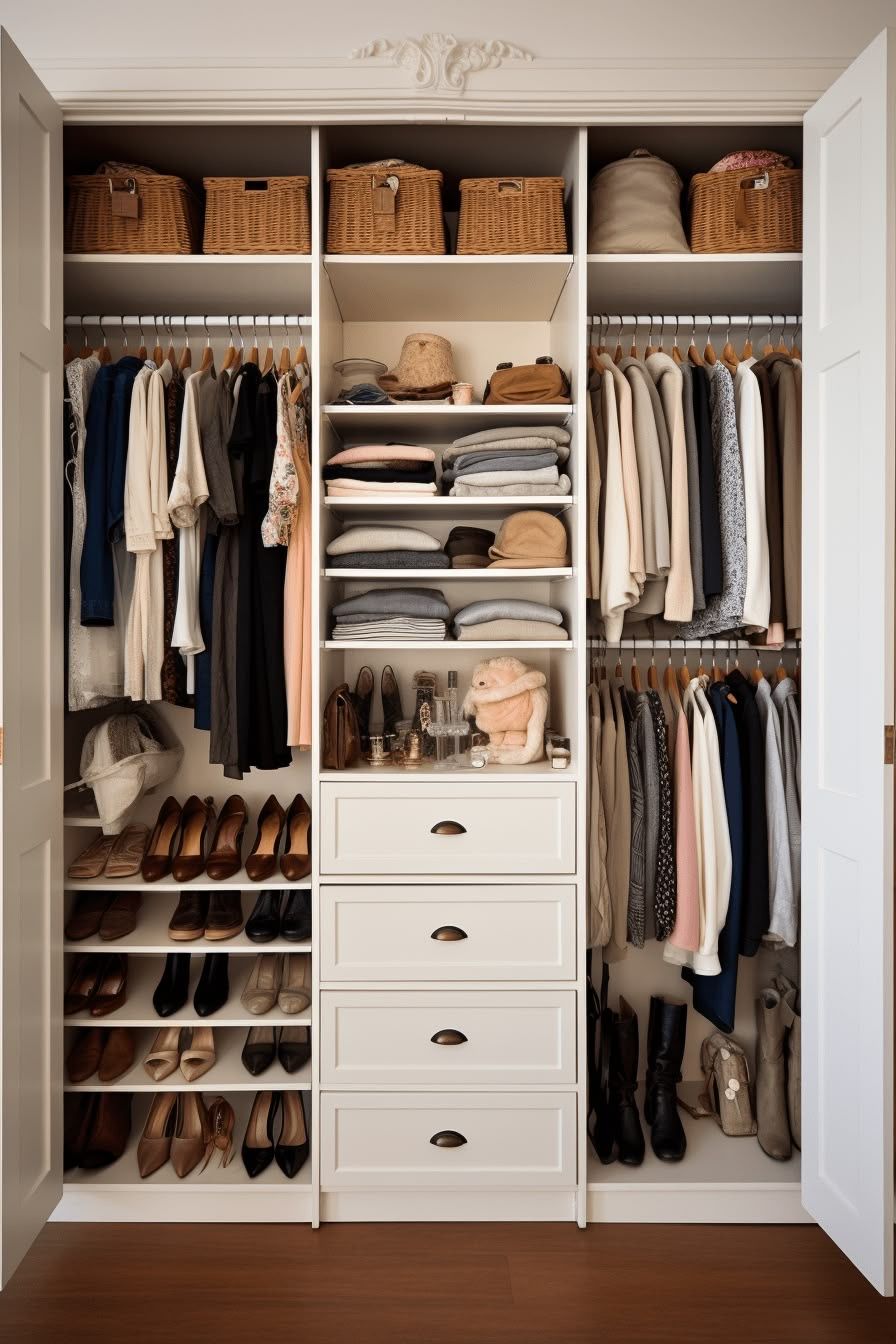
The interior of your wardrobe matters just as much as its exterior. Consider including:
- Hanging zones: Short hang for shirts, long hang for dresses and coats
- Shelves: Adjustable shelves for folded clothes and bags
- Drawers: For underwear, accessories, and smaller items
- Shoe racks and boxes: Keep footwear organised and accessible
A well-thought-out internal layout makes daily routines faster and keeps your wardrobe clutter-free. Long hanging for coats and dresses, short hanging for shirts—balance is key.
4. Choosing Wardrobe Doors
- Sliding Doors – Best for small rooms with limited space.
- Hinged Doors – Offer full access while adding a timeless, classic look.
- Mirror Doors – They reflect light and visually expand the room.
5. Wardrobe Materials and Finish Selection
Choose materials that suit both style and durability. Options include:
- Wood – classic and warm
- MDF or laminate – affordable and easy to maintain
- Glass or mirrored doors – visually expand the room and add light
- High-gloss finishes – modern, sleek, and reflective
- Colour – White, beige, and light wood tones
Finishes can also affect maintenance, so consider ease of cleaning along with aesthetics. Deep browns and greys add elegance but work best in larger spaces.
6. Maximise Space with Smart Accessories
Add accessories to enhance functionality:
- Pull-out racks for ties and belts
- Sliding baskets for seasonal items
- Hooks for bags or scarves
- LED Strip Lighting – Energy-efficient and stylish.
- Sensor Lights – Turn on automatically—small feature, big convenience.
These small additions make your wardrobe more practical and enjoyable to use.
7. Balance Functionality and Style
A wardrobe should be both beautiful and functional. Ensure:
- Colours and finishes match your room decor
- Handles and hardware are practical and comfortable
- Choose sliding or hinged doors based on what suits your room layout best
Remember, a stylish wardrobe can elevate the overall look of your bedroom while keeping your clothes neatly organised.
8. Budget Planning for Wardrobe Design
Use simple finishes and standard sizes to control costs. Spend more on hardware, sliders, and hinges—they face daily wear. Proper ventilation prevents odor and fabric damage. Quality hardware and regular cleaning extend lifespan.
Perfect fit, but higher cost and longer installation time. Learning how to design wardrobe can help you create a quick, affordable solution that works great for standard room sizes.
9. Plan for Future Needs
When learning how to design wardrobe, think long-term. Your wardrobe should accommodate:
- Seasonal clothing rotations
- Additional storage for new purchases
- Adaptable shelves and drawers for changing needs
This ensures your wardrobe remains functional for years without requiring a major redesign.
FAQs
1. What is the best type of wardrobe for small bedrooms?
Sliding door wardrobes or compact freestanding wardrobes are ideal, as they save floor space and keep rooms uncluttered.
2. How should I organise the inside of my wardrobe?
Divide it into hanging zones, shelves, drawers, and dedicated spaces for shoes and accessories for easy access and organisation.
3. Are mirrored wardrobe doors a good idea?
Yes! Mirrored doors reflect light, make the room appear larger, and add a modern touch to your bedroom.
4. Can I design a wardrobe myself, or do I need a professional?
You can definitely design your wardrobe yourself by planning layout, storage, and style. Professional help is optional for fitted or walk-in wardrobes.
Conclusion
Learning how to design wardrobe is about blending practicality with style. When you plan smart layouts, choose the right materials, and focus on daily usability, your wardrobe becomes more than storage—it becomes a lifestyle upgrade. A good design today saves you time, space, and stress for years to come.