

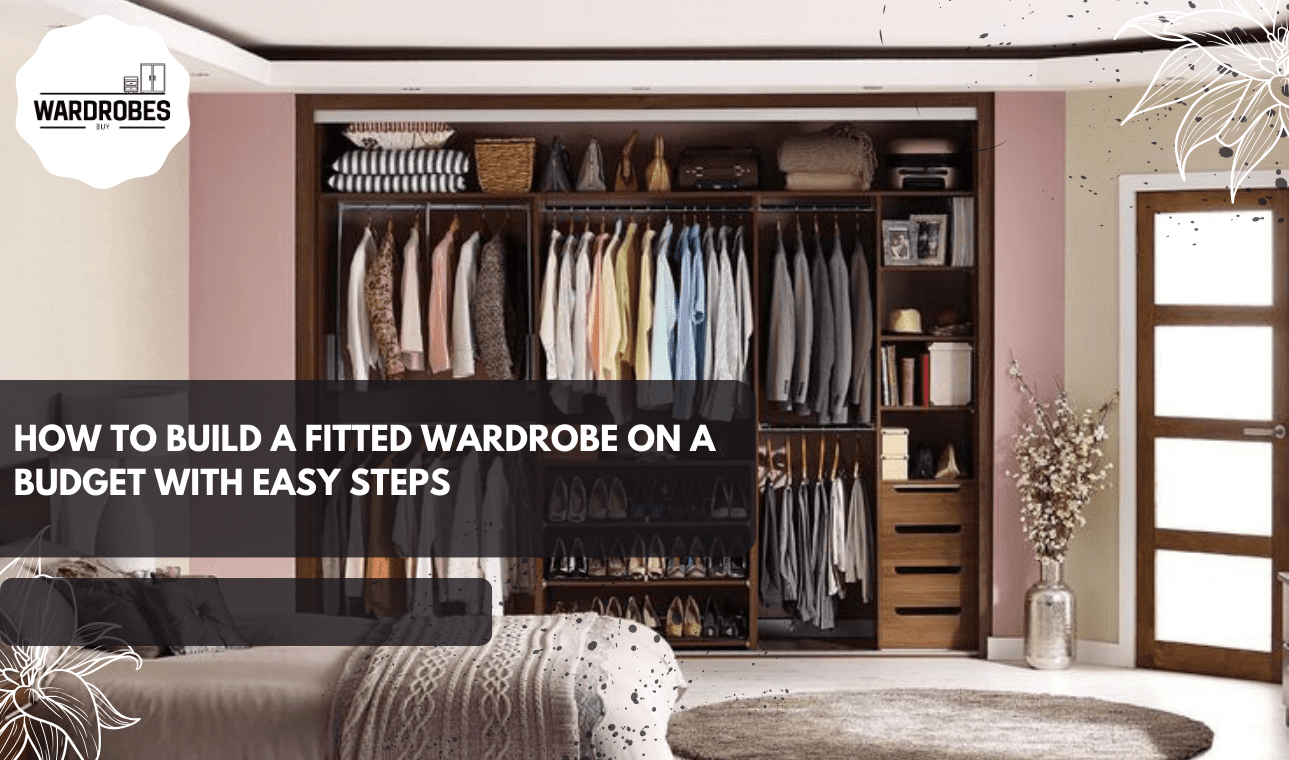
How to Build a Fitted Wardrobe on a Budget with Easy Steps

Building a fitted wardrobe might sound like a luxury reserved for high-end homes, but here’s the truth: learning how to build a fitted wardrobe on a budget doesn’t have to drain your savings. With smart planning, the right materials, and a few clever design choices, you can create a stylish, functional fitted wardrobe without blowing your budget. Think of it like cooking a gourmet meal at home—you don’t need the most expensive ingredients, just the right recipe.
What Is a Fitted Wardrobe?
A fitted wardrobe is custom-built to fit perfectly into your room’s dimensions. Unlike freestanding wardrobes, it uses every inch of available space—from floor to ceiling and wall to wall: no awkward gaps, no wasted corners, just pure storage efficiency.
A fitted wardrobe uses every inch of available space, making it ideal for small bedrooms and awkward corners. More importantly, a DIY fitted wardrobe helps you save money while still achieving a clean, built-in look. Additionally, you control the design, storage layout, and overall cost.
Why Choose a Fitted Wardrobe Over Freestanding Units?
Freestanding wardrobes are like off-the-rack clothes—they fit okay, but never perfectly. Fitted wardrobes, on the other hand, are tailored to your space. They offer:
- More storage
- A cleaner, built-in look
- Better use of awkward spaces
And yes, they can still be affordable.
1. Planning Before You Spend
Before spending a single penny, grab a tape measure. If you want to learn how to build a fitted wardrobe on a budget, start by measuring height, width, and depth carefully. Don’t forget skirting boards, ceiling slopes, or alcoves. Accurate measurements prevent costly mistakes later.
Think about how you actually use your wardrobe. Do you wear more dresses, shirts, or coats? Shoes, bags, belts, and ties deserve their own spots, too. Knowing this upfront avoids overbuilding—and overspending.
2. Setting a Realistic Budget
A fitted wardrobe budget usually includes:
- Materials
- Doors and finishes
- Hardware
- Installation
Split your budget across these categories so nothing sneaks up on you. Save on internal carcasses and finishes. Spend wisely on door mechanisms and hinges. Cheap hinges today can mean sagging doors tomorrow.
3. Measure Your Space Carefully
Before buying anything, measure the height, width, and depth of your wall area. Always measure twice to avoid costly mistakes. Also, check for skirting boards, sockets, and uneven walls, as these details affect the final fit. Sketch a basic layout to visualise shelves, hanging rails, and drawers
4. Plan a Simple Wardrobe Design
Keeping the design simple is key when building a fitted wardrobe on a budget. Open shelving, straight lines, and standard-sized panels cost far less than complex designs. Moreover, minimal designs are easier to assemble and adjust.
Focus on:
- Hanging space for daily clothes
- Shelves for folded items
- One or two drawers if needed
5. Choose Budget-Friendly Materials
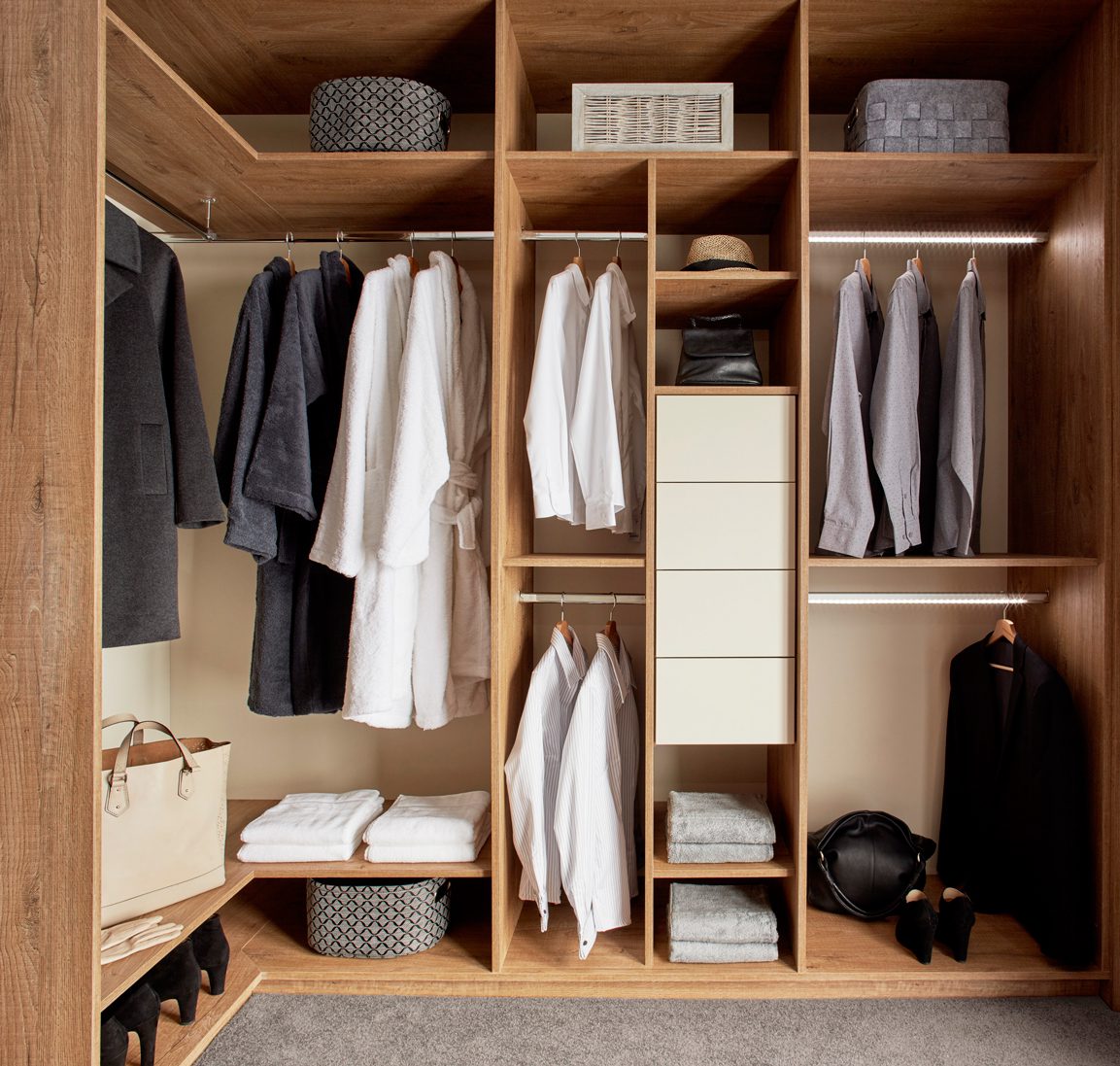
You don’t need expensive solid wood to get great results. Instead, opt for affordable and durable materials such as:
- MDF boards
- Plywood
- Melamine-faced chipboard
These materials are widely available and easy to cut, making them ideal for DIY projects.
6. Use Ready-Made Wardrobe Components
To cut costs further, use pre-made wardrobe units or flat-pack cabinets as the base. Once installed, you can secure them to the wall and add panels for a fitted appearance. This method saves both time and money.
7. Assemble and Fix the Frame
Start by fixing the base units securely to the wall. Then, install side panels and shelves. Check that everything is level before you move on to the next step. Small adjustments at this stage make a big difference in the final look.
8. Add Budget-Friendly Doors
Wardrobe doors can be costly, so when learning how to build a fitted wardrobe on a budget, choose wisely. Sliding doors, plain MDF doors, or even curtain panels can work well. Painting doors yourself is another smart way to save money while matching your room’s style.
9. Finish with Simple Accessories
Finally, complete your fitted wardrobe with basic handles, rails, and shelf supports. Soft-close hinges are optional but can be added later if your budget allows. A fresh coat of paint or vinyl wrap can instantly elevate the finish.
DIY vs. Professional Installation
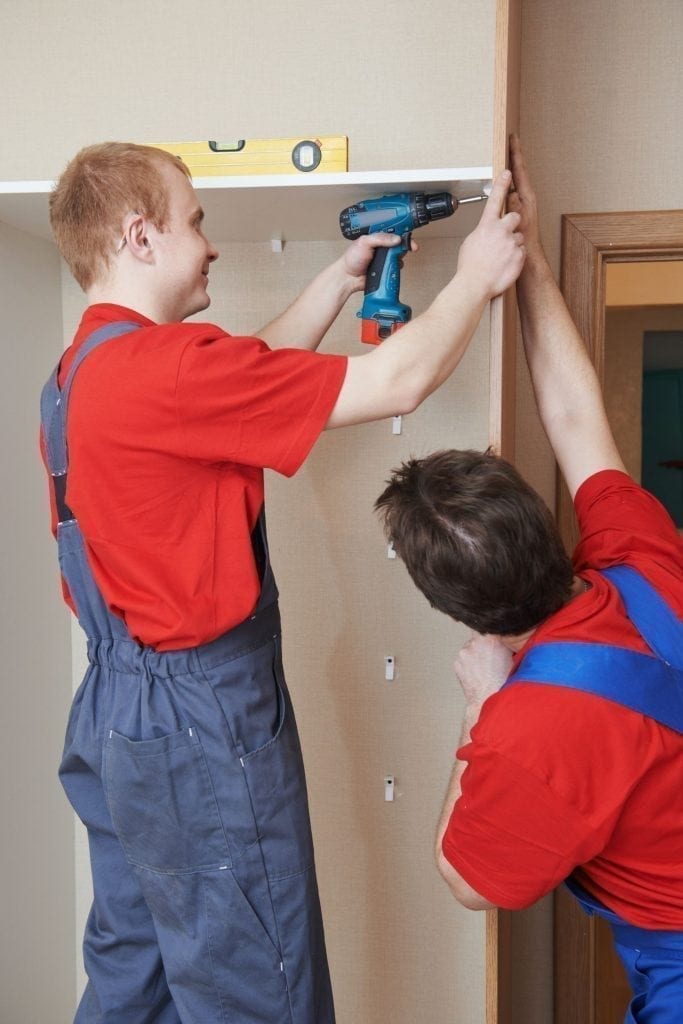
If you’re confident with tools, installing modular systems yourself can save a lot of money. Complex layouts, uneven walls, or sliding door systems are better handled by professionals. Buy the wardrobe system yourself and pay only for installation. It’s a smart middle ground.
Maximising Small Bedrooms on a Budget
Mirrored doors reflect light and make rooms feel larger—two benefits for the price of one. When learning how to build a fitted wardrobe on a budget, choosing white, beige, or light grey finishes can brighten small rooms. Add LED strip lighting for a premium touch. Corners and alcoves are goldmines for storage if designed correctly.
Always ask what’s included. Hidden fees can wreck a budget fast. Uneven walls or floors may need prep work—factor this in early.
Cost-Saving Tips for Building a Fitted Wardrobe
- Buy materials during sales
- Reuse panels from old furniture
- Avoid custom-cut extras unless necessary
- Focus on function first, style second
These small choices help keep the overall cost low.
FAQs
1. Can I build a fitted wardrobe myself?
Yes, with basic tools and careful planning, a fitted wardrobe is a manageable DIY project for beginners.
2. What is the cheapest material for a fitted wardrobe?
MDF and melamine boards are among the most affordable and widely used options.
3. How long does it take to build a fitted wardrobe?
Most DIY fitted wardrobes can be completed over a weekend, depending on the design.
4. Is a fitted wardrobe cheaper than a custom one?
Absolutely. A DIY fitted wardrobe costs significantly less than a fully custom-made option.
Final Thoughts
Learning how to build a fitted wardrobe on a budget is all about smart choices, not sacrifices. With careful planning, affordable materials, and thoughtful design, you can enjoy a custom look at a fraction of the cost. Your dream wardrobe isn’t out of reach—it just needs a smarter approach.